
25 Top Social Media Lead Generation Strategies For 2026

In 2026, businesses need to leverage social media strategies to connect with potential customers, generate leads, and expand their audience. This article will explore the top ways to effectively use social media for lead generation.
Disclaimer: Results from social media marketing can vary based on strategy, industry, and execution. Always do your own research before making business decisions. |

Key Takeaways
Content marketing is key for sharing valuable information.
Partnering with micro or macro influencers can boost your reach.
Paid ads help target specific audiences quickly.
Running contests can engage users and attract new leads.
Using visuals makes your posts more eye-catching and memorable.
1. Content Marketing to Attract Potential Customers
Content marketing is a powerful way to attract and engage potential customers. By creating valuable content, you can build trust and encourage people to learn more about your products or services.
Here are some effective strategies to consider:
Publish an eBook: This can provide in-depth information on a topic related to your business.
Offer guides and white papers: These resources can help your audience solve specific problems.
Write a case study: Show how your product or service has helped others.
Produce a webinar: This allows you to connect with your audience in real-time and share valuable insights.
Host an interview series: Bring in experts to discuss relevant topics.
Content marketing is not just about selling; it’s about providing value and building strong relationships.
Using these strategies may help you generate leads over time and strengthen your overall marketing efforts.

2. Micro or Macro Influencer Partnerships
Micro or Macro Influencer Partnerships
Micro Influencer partnerships can be a valuable way to support your lead generation on social media. By teaming up with influencers, you can reach a wider audience and may start building trust with their followers.
Working with the right influencer can have a meaningful impact on your social media efforts.
Here are some steps to consider when forming these partnerships:
Choose the Right Influencer: Look for someone whose audience aligns with your target market.
Set Clear Goals: Decide what you want to achieve, such as raising brand awareness, increasing website visits, or gathering leads.
Create Engaging Content: Collaborate with the influencer to create content that resonates with their audience.
Influencer Type | Audience Size | Engagement Rate |
Micro | 1,000 - 10,000 | High |
Mid-Tier | 10,000 - 100,000 | Medium |
Macro | 100,000+ | Low to Medium |
Partnering with influencers can be an effective addition to your marketing strategy, but results may vary based on the influencer’s audience, your goals, and the content created.

3. Paid Advertising on Social
Paid Advertising on Social
Paid advertising on social media can be a useful way to expand your reach and connect with your target audience. Instead of relying on guesswork, social ads allow you to target groups of people based on factors like interests, age, and location.
Here are some important points to consider:
Choose the right platform: Different platforms attract different audiences. For example, Facebook reaches a broad demographic, while Instagram is often favored by younger users.
Set a budget: Decide how much you want to spend on ads. Many marketers start with a smaller amount to see what works before increasing their budget.
Create engaging ads: Use eye-catching visuals and clear messages to capture attention. Make sure your ads align with the interests of your audience.
Platform | Audience Type | Best For |
All ages | Brand awareness | |
Younger audiences | Visual products | |
Professionals | B2B marketing |
Testing different ad styles and messages can help you learn what resonates best with your audience.
Paid advertising can play an important role in your overall marketing strategy, but results depend on factors like your targeting, content, and budget decisions.

What made it work? The ad matched perfectly with what the landing page delivered—even down to the colors.
Instead of overselling, the page simply outlined what visitors could access, such as:
Free courses
Live events
Marketing strategies
Access to featured resources
A free masterclass
…and more practical content designed to inform and educate.
4. Social Media Contests
Social media contests can be a fun way to encourage interaction and potentially attract new followers or sign‑ups. They invite people to engage with your brand and may help expand your reach if they gain momentum.
Here are some tips for running thoughtful contests:
Choose a clear goal: Decide what you hope to achieve, such as collecting emails or increasing visibility.
Make it easy to enter: Keep the process simple. For example, you might ask participants to like your post, share it, or tag friends.
Offer a relevant prize: Pick a prize your audience would genuinely appreciate—this could be a product, a gift card, or an exclusive experience.
Contest Type | Engagement Level | Lead Generation Potential |
Photo Contest | High | High |
Trivia Quiz | Medium | Medium |
Share and Tag | Very High | High |
Running a contest can take planning and effort, but it may help you reach more people and encourage engagement.
Social media contests and giveaways are one option for attracting attention on your platforms, though results will vary depending on your audience and the type of contest.
Some social media contests and giveaways can even gain unexpected momentum—often called “viral Marketing.” While there’s no way to guarantee this kind of reach, it’s an approach many businesses experiment with as part of their social media strategy.

5. Engaging Visuals
Visuals are an important part of any social media strategy. They can catch attention quickly and help keep your audience interested in what you’re sharing.
Here are some types of visuals you might consider using:
Images: High-quality photos can make posts look more polished.
Videos: Short videos can introduce a topic or product in a concise way.
Infographics: These present information in an easy-to-digest, visual format.
Why Use Engaging Visuals?
Catch Attention: Eye-catching visuals can help your post stand out in a busy feed.
Encourage Sharing: Posts with visuals are often shared more frequently than text-only updates.
Simplify Ideas: Visuals can break down complicated concepts into something easier to understand.
Examples of Visuals You Can Try
Animated Videos: These can share a message in a creative way. check out the 30 amazing animated videos for your social media that can inspire you.
Memes: Light humor can spark engagement if it fits your brand tone.
Live Videos: Going live can create a sense of immediacy and connection with your audience.
6. User-Generated Content (UGC) Strategy
User-generated content (UGC) refers to any content created by your customers or followers, such as reviews, photos, or videos. Sharing UGC can create a sense of community and provide authentic perspectives about your brand.
Benefits of User-Generated Content
Adds Authenticity: Content from real users feels relatable and genuine.
Saves Resources: You don’t have to create every piece of content yourself.
Encourages Participation: Featuring customer content can invite more interaction.
How to Encourage UGC (User-Generated Content)
Create a Hashtag: A branded hashtag makes it easier for users to share content and for you to find it.
Run Contests: Invite followers to submit photos or videos for a chance to be featured.
Feature Customers: Share select customer content on your social media (with permission).
User-generated content can help showcase different perspectives and create opportunities for your audience to engage more deeply with your brand.
7. Live Streaming
Live streaming is a way to connect with your audience in real time. It creates opportunities for direct interaction and allows you to respond to viewers as the broadcast unfolds.
Ways to Use Live Streaming:
Host Q&A Sessions: Answer questions live to address topics your audience is curious about.
Show Behind-the-Scenes: Offer a look into how things work in your business, adding a more personal touch.
Run Polls: Ask questions during your stream to gather immediate input from viewers.
Enable Live Chat: Let viewers comment or ask questions while you’re streaming for a more interactive experience.
Feature | Purpose |
Real-time Interaction | Creates space for immediate connection with viewers |
Instant Feedback | Provides input you can use to improve future content |
Interactive Elements | Keeps broadcasts dynamic and participatory |
Live streaming can be a useful tool for starting conversations and inviting your audience to be part of the moment, rather than simply watching from the sidelines.

8. Community Building
Building a community around your brand is a meaningful way to connect with your audience. A sense of belonging can encourage people to interact more with your content and participate in ongoing conversations.
Ways to Foster Community:
Create a Private Group: Consider starting a group where members can share ideas and support one another.
Host Events: Organize online events or webinars to bring people together and explore topics they care about.
Encourage Interaction: Ask open-ended questions and invite members to share their experiences.
A well-nurtured community can provide a space for discussion, collaboration, and shared enthusiasm for your brand’s mission.
9. Social Listening
Social listening is a powerful way to connect with your audience. It involves tracking what people say about your brand on social media.
By paying attention to these conversations, you can find potential customers and understand their needs better.
Here are some key benefits of social listening:
Identify Trends: You can spot what topics are popular and what your audience cares about.
Engage with Customers: Responding to comments and questions shows that you value their opinions.
Improve Products: Feedback from social media can help you make your products or services better.
Benefit | Description |
Find New Leads | Discover potential customers talking about your brand. |
Build Relationships | Create a connection with your audience through engagement. |
Enhance Brand Image | Show that you listen and care about customer feedback. |
Social listening is not just about monitoring; it’s about understanding and engaging with your audience.
Using social listening can help you generate leads by tracking brand mentions and identifying potential customers. Start listening today to see how it can benefit your marketing efforts!
10. Email Integration
Integrating email marketing with social media can be a smart way to reach people across different platforms. When used together, these strategies may help you connect with more people and share your message more effectively.
Ways to integrate email with social media:
Share Emails on Social Media: Post snippets or highlights from your email newsletters on your social channels. This can encourage followers to subscribe for more updates.
Use Social Media to Grow Your Email List: Promote your email sign-up forms on your profiles. You might even run special campaigns to attract subscribers.
Create Multi-Channel Campaigns: Coordinate your email marketing efforts with other channels like social media, blogs, or paid ads to maintain consistent messaging.
Strategy | Potential Benefits |
Share Emails on Social Media | May increase visibility and engagement |
Promote Sign-Ups on Social | Could help grow your email list |
Multi-Channel Campaigns | Allows you to reach people in different ways |
11. Hashtag Campaigns
Hashtags can be useful tools for making content easier to discover on social media. They help organize posts around a topic and allow users to search for or follow related content.
How to create a thoughtful hashtag campaign:
Choose Relevant Hashtags: Focus on hashtags that relate to your brand, niche, or audience.
Keep It Short and Simple: Select hashtags that are easy to remember and type.
Encourage Participation: Invite your followers to use your hashtag in their own posts if they feel it fits.
Possible benefits of hashtag campaigns:
Broader Reach: More users may come across your posts when searching for or following certain hashtags.
Community Feel: A shared hashtag can bring users together around a topic or interest.
Brand Familiarity: Consistent hashtag use may help people associate it with your brand.
Here’s an example: below is a screenshot of hashtags selected for a post using Predis AI — showing how tools can assist with choosing relevant hashtags.

12. Video Marketing
Video marketing is a useful way to connect with your audience and share information in a more dynamic way than text alone. Videos can illustrate how a product or service works and make content easier to understand.
Tips to make the most of video marketing:
Keep it short: Aim for concise videos—around 1–2 minutes—since viewers often have limited attention spans.
Be engaging: Start with a strong opening to capture attention. Consider using storytelling or compelling visuals.
Include a call to action (CTA): Clearly state the next step you’d like viewers to take, such as visiting your website or signing up for updates.
Benefit | Description |
Helps with engagement | Videos often receive more comments, likes, and shares than text-only content. |
Builds familiarity | Seeing a person or product in action can make the experience feel more relatable. |
Supports discoverability | Videos can contribute to improved visibility in search results. |
Video marketing isn’t just about promotion—it’s about creating valuable, relatable content that your audience can connect with.
13. Analytics and Insights
Understanding your social media performance is important for refining your approach. Analytics provide a clearer picture of what content resonates and where adjustments might be needed.
Key Metrics to Track:
Engagement Rate: Shows how much your audience interacts with your posts.
Click-Through Rate (CTR): Indicates how many people click on links you share.
Conversion Rate: Reflects how many people take a desired action, such as signing up for a newsletter.
Helpful Tools for Analytics:
Tool Name | Purpose |
Google Analytics | Monitors website traffic trends |
Hootsuite | Manages and tracks social activity |
Sprout Social | Analyzes social performance |
Monitoring these metrics can guide your content strategy and help you make thoughtful, informed decisions about future campaigns.
14. Cross-Promotion
Cross-promotion can be an effective way to introduce your brand to new audiences. By teaming up with other businesses or creators, you expand your reach and provide value to each other’s communities.
Here are some cross-promotion strategies to consider:
Collaborative Giveaways: Partner with another brand to run a giveaway. This can bring exposure to both audiences while offering something of value.
Co-Brand Collaborations: Work together to create a joint product, resource, or campaign that appeals to both customer bases.
Influencer Partnerships: Collaborate with influencers who share your target audience to help introduce your brand to their followers.
Strategy | Benefit |
Collaborative Giveaways | Can attract new attention from both audiences |
Co-Brand Collaborations | Allows each brand to reach new potential customers |
Influencer Partnerships | Helps build visibility and credibility |
Cross-promotion works best when it’s mutually beneficial. By aligning with partners who share your values and audience, you can create campaigns that feel authentic and add real value to everyone involved.
15. Targeted Ads
Targeted ads are a practical way to reach the people who are most likely to be interested in what you offer. Instead of casting a wide net, they focus on showing your message to specific groups based on factors like interests, demographics, or online behavior.
Here’s how you can make the most of targeted ads:
Know Your Audience: Understand who your ideal customers might be—their age, interests, and where they spend time online.
Choose the Right Platform: Different social platforms attract different users, so select the one that aligns best with your audience.
Use Data Wisely: Monitor performance metrics like clicks and impressions to see what’s working and adjust your ads over time.
Benefits of Targeted Ads
Benefit | Description |
Higher Engagement | Ads are shown to people who are more likely to interact with them. |
Better ROI | Budgets can be used more efficiently by focusing on relevant audiences. |
Improved Brand Awareness | Your brand is seen by the people who are most interested in your message. |
Targeted ads aren’t a shortcut to success—they’re a tool. When used thoughtfully, they can help you focus your efforts on the audience that matters most and refine your overall marketing strategy.
16. Brand Storytelling
Brand storytelling is a thoughtful way to connect with your audience. Sharing your brand’s journey, values, and purpose gives people a clearer picture of who you are and what you represent.
Here are some key points to consider when crafting your brand story:
Know your audience: Understand who they are, what they care about, and how your story might resonate with them.
Be authentic: Share genuine experiences and values rather than scripted or exaggerated claims.
Use visuals: Images, videos, and graphics can bring your story to life and make it easier for people to engage with.
Storytelling isn’t about pushing for a sale — it’s about creating a meaningful connection.
Brand storytelling can help you present your mission and values in a way that feels relatable, which may encourage people to engage with your business over time.

17. Customer Testimonials
Customer testimonials can be an effective way to show what past buyers or clients think about your product or service. When potential customers see genuine, thoughtful feedback, it may help them feel more comfortable engaging with your brand.
Important: If you’re in the U.S. or market in the US, the FTC (Federal Trade Commission) make sure to check the requirements.
Ways to Use Testimonials Effectively:
Share authentic reviews on your website, email campaigns, or social media.
Keep testimonials up to date by collecting fresh feedback regularly.
Use testimonials to show a variety of experiences, so they represent a broader range of customers.
Example Testimonial Table:
Customer Name | Review | Rating |
Jane Doe | “Great service!” | ⭐⭐⭐⭐⭐ |
John Smith | “Loved the product!” | ⭐⭐⭐⭐ |
Emily Johnson | “Will buy again!” | ⭐⭐⭐⭐⭐ |
Happy customers can be strong advocates for your brand. Sharing their genuine experiences — with proper disclosure — helps create transparency and trust.
18. Interactive Content Strategy
Interactive content is an engaging way to connect with your audience and invite participation. Instead of passively consuming information, your audience can interact, which often keeps them interested longer.
Here are some ideas to explore:
Quizzes and Polls: Simple and fun tools that can help you learn more about your audience while giving them something enjoyable to do.
Chatbots: Useful for answering basic questions and guiding users toward relevant information.
Interactive Videos: Allow viewers to choose what they want to see next, creating a more personalized experience.
You can also experiment with things like interactive calculators or widgets to make your content more dynamic.
The goal of interactive content isn’t to make unrealistic promises but to create an experience that feels more personal and valuable to your audience.

19. Using Social Media Takeovers
Social media takeovers can be a creative way to bring fresh energy to your accounts. In a takeover, someone else—such as an influencer, a collaborator, or even a team member—creates and posts content on your profile for a set period (like a day or a week).
Benefits of Social Media Takeovers:
New Perspectives: A fresh voice or style can make your content stand out.
Potential for Increased Engagement: Followers might respond more when they see different content styles.
Cross-Promotion: The person doing the takeover may introduce your brand to their own audience, expanding awareness.
How to Plan a Successful Takeover:
Choose the Right Person: Make sure their values and tone align with your brand.
Set Clear Guidelines: Provide direction on what kind of content is acceptable and what to avoid.
Promote the Takeover: Tell your audience in advance to build excitement and ensure people know what to expect.
Social media takeovers are meant to add variety and creativity—not to overpromise results. When done thoughtfully, they can be a way to refresh your content and potentially reach new audiences.
20. Having a Consistent Posting Schedule
A consistent posting schedule helps keep your audience engaged and aware of your brand. When people know when to expect new content, it creates a sense of reliability.
Here are some tips for maintaining a consistent schedule:
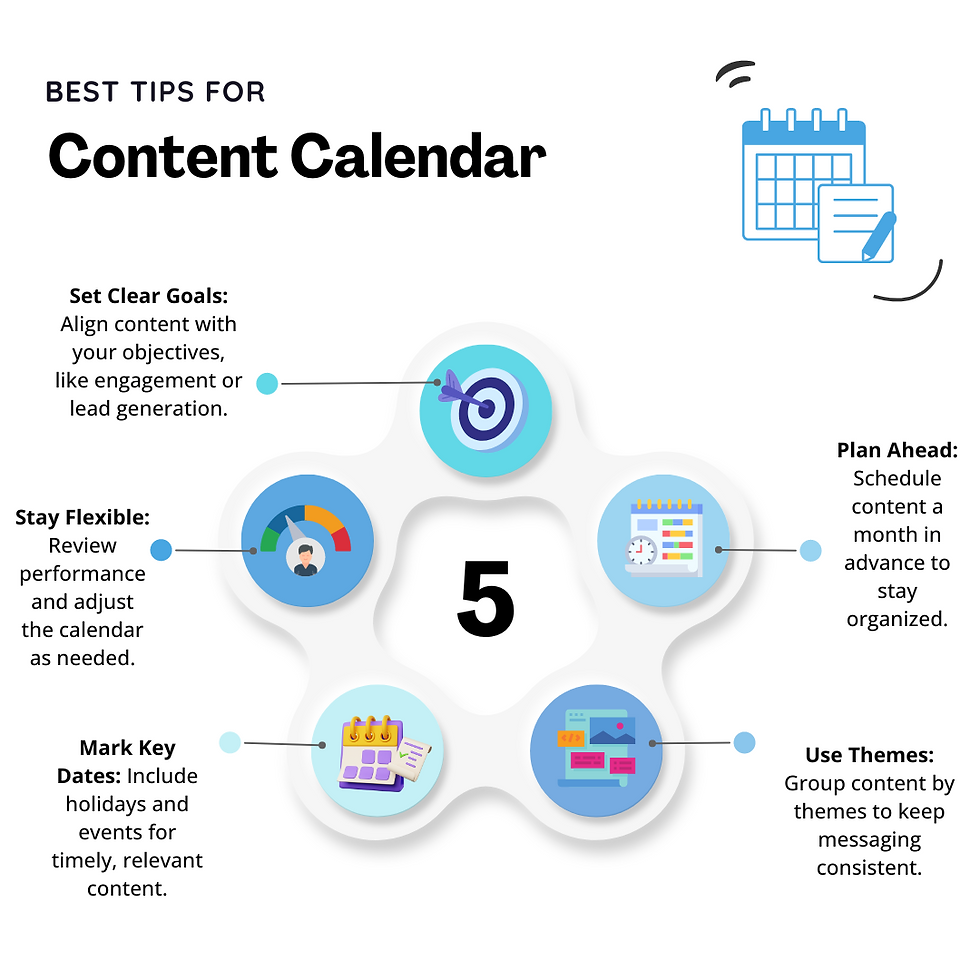
Plan Ahead: Use a content calendar to map out your posts. Planning ahead can help you stay organized and avoid last-minute stress.
Use Scheduling Tools: Platforms like Buffer or Hootsuite allow you to schedule posts in advance, freeing up time for other priorities.
Analyze Your Audience: Review insights from your social platforms to see when your followers are most active. Posting during these times may help improve visibility.
Day | Common Posting Window |
Monday | 10 AM – 12 PM |
Wednesday | 1 PM – 3 PM |
Friday | 11 AM – 1 PM |
Tip: Consistency is generally more important than frequency. Posting less often but on a predictable schedule can be more effective than posting a lot one week and nothing the next.
21. Niche Groups and Forums
Niche groups and forums can be valuable spaces to connect with people who share your interests. Participating in these communities can help you expand your network and create awareness for your brand.
Here are some tips to make the most of niche groups:
Join Relevant Groups: Look for communities that focus on your industry or niche. This helps you connect with people who are more likely to be interested in your insights.
Engage Actively: Participate in discussions, answer questions, and share your knowledge. Consistent participation can help you establish credibility over time.
Share Valuable Content: Post helpful resources, tips, or updates that contribute to the discussion.
Group Type | Purpose | Example |
Facebook Groups | Community discussions | Local Business Owners |
Reddit Subreddits | Topic-specific conversations | Digital Marketing |
Online Forums | In-depth discussions | Affiliate Marketing Forum |
Engaging in niche groups is about being genuine and providing value. Instead of focusing on selling, focus on helping — and over time, you can build stronger relationships within these communities.
22. Referral Programs
Referral programs can be a practical way to bring in new customers. They work by encouraging current customers to share your business with friends or colleagues.
A well-designed referral program can motivate customers to spread the word, but it’s important to structure it carefully and stay transparent about how it works.
Here are some steps to consider when creating a referral program:
Set Clear Rewards: Decide what you’ll offer for referrals—this might include discounts, a free product, or a small bonus.
Make Referring Easy: Provide simple ways for customers to share, such as referral links, codes, or ready-to-use social posts.
Promote Your Program: Let your customers know it exists by mentioning it in emails, on your website, or via social media.
Reward Type | Description |
Discount | A percentage off their next purchase |
Free Product | A complimentary item for referrals |
Cash Bonus | A small cash reward for each referral |
When customers have a positive experience, they may feel more inclined to recommend your business. A referral program simply gives them a clear and simple way to do that.
23. Mobile Optimization
23. Mobile Optimization
In today’s digital landscape, mobile optimization is essential for reaching people effectively. With so many users browsing on their phones, it’s important that your content looks good and functions smoothly on mobile devices.
Here are some key points to consider:
Speed matters: Mobile pages should load quickly—ideally within 3 seconds. Improving load times with image compression, browser caching, and minimizing heavy scripts can create a smoother user experience.
Responsive design: Make sure your website adjusts to different screen sizes. This ensures visitors have a consistent experience whether they’re on a phone, tablet, or desktop.
Easy navigation: Keep menus simple and intuitive. Users should be able to find what they need without too much effort.
Strategy | Importance Level |
Speed Optimization | High |
Responsive Design | High |
Easy Navigation | Medium |
A good mobile experience can encourage users to stay longer on your site and engage more with your content. Taking a mobile-first approach helps ensure your brand feels accessible and user-friendly.
24. A/B Testing
A/B testing is a practical way to refine your social media campaigns and understand what resonates with your audience.
By comparing two versions of the same content, you can observe which one performs better — without making assumptions or promises about results.
Here’s how to run an A/B test effectively:
Choose what to test: Focus on one element at a time, such as an image, headline, or call-to-action.
Create two versions: Keep everything the same except for one change. This makes it easier to see what’s influencing the difference in response.
Run the test: Share both versions under similar conditions (same time frame, same audience type) for a fair comparison.
Version | Clicks | Conversions |
A | 150 | 30 |
B | 200 | 50 |
In this example, Version B is better because it got more clicks and conversions.
A/B testing is all about learning what resonates with your audience. Each test can provide useful insights that help you refine your approach over time.
You can split test your ads, landing pages, etc.

25. Retargeting Campaigns
Retargeting campaigns are a practical way to reconnect with people who have already interacted with your brand. These ads act as reminders, helping to keep your products or services visible to those who’ve visited your website or engaged with your social media.
Why Consider Retargeting?
Maintains Visibility: Retargeting ads keep your brand in front of people who already know you.
Targets Interested Users: Ads are shown to people who have expressed interest, which can help improve focus.
Potentially Cost-Efficient: Since the audience is more defined, your budget is aimed at people already familiar with your brand.
How to Set Up a Retargeting Campaign:
Choose Your Platform: Decide where to run your ads (such as Facebook or Instagram).
Create Custom Audiences: Use tools to identify users who visited your site or engaged with your posts.
Design Your Ads: Keep them relevant and aligned with what your audience has already seen.
Monitor and Adjust: Review performance regularly and refine your approach.
Retargeting can be a valuable addition to your overall marketing strategy, helping you stay connected with people who’ve shown interest in your brand. If you’d like to learn more about building effective campaigns, you can explore additional guides or training resources.
Wrapping It Up
In conclusion, using social media to find new customers can be really fun and effective. By trying out different strategies like sharing interesting posts, engaging with your audience, and using ads wisely, you can attract more people to your business. Remember, it’s all about being friendly and connecting with others.
So, don’t be afraid to show your brand’s personality and have some fun while doing it! With a little creativity and effort, you can turn your social media into a powerful tool for getting leads.
Do you have questions? Let me a comment, I'm always happy to help.
Thanks for reading,
Best,
Laurence
Frequently Asked Questions
What are the top social media lead generation strategies?
The top social media lead generation strategies include creating engaging social media content, utilizing social proof, conducting social listening, optimizing your social media profile, and running targeted ads on various social media platforms. Each of these strategies can help you generate leads effectively. By focusing on valuable content that resonates with your audience, you can attract potential leads and nurture them into qualified leads.
How can I generate leads through social media?
To generate leads through social media, start by identifying your target audience and selecting the social media platforms that best align with their interests. Create engaging social media content that encourages interaction, and use clear calls-to-action to guide users toward taking the next step. Consider offering lead magnets such as free resources or exclusive discounts in exchange for contact information. Regularly monitor your social media presence and adjust your strategy based on audience engagement.
What role does social proof play in lead generation?
Social proof plays an important role in social media lead generation by building credibility and trust. When potential leads see positive reviews, testimonials, or case studies, they are more likely to engage with your brand. Incorporating social proof into your social media marketing efforts can strengthen your brand’s reputation and encourage new users to become leads.
Which social media platforms are best for lead generation?
The best social media platforms for lead generation depend on your audience and niche. For example, LinkedIn is well-suited for B2B lead generation, while Instagram and Facebook often work well for B2C. Each platform has unique tools and features to help you generate high-quality leads. Identify where your audience spends time and tailor your social media strategy to match.
How does social listening help in generating leads?
Social listening involves monitoring conversations and mentions about your brand or industry on social media channels. By engaging with users who express interest or share feedback, you can build relationships and turn them into qualified leads. This approach helps you address customer pain points and show how your offerings may provide solutions, making it an important part of any social media lead generation plan.


Comments